50 WATT LIMIT
GMRS LICENSE REQUIRED
GMRS - 1 - 462.550
GMRS - 2 - 462.575
GMRS - 3 - 462.600
GMRS - 4 - 462.625
GMRS - 5 - 462.650
GMRS - 6 - 462.675
GMRS - 7 - 462.700
GMRS - 8 - 462.725
GMRS R1 467.550
GMRS R2 467.575
GMRS R3 467.600
GMRS R4 467.625
GMRS R5 467.650
GMRS R6 467.675
GMRS R7 467.700
GMRS R8 467.725
2 WATT LIMIT
MURS
MURS - 1 -151.820
MURS - 2 - 151.880
MURS - 3 - 151.940
MURS - 4 - 154.570
MURS - 5 - 154.600
———————————
2 WATT LIMIT ( N ) BAND
FRS
FRS - 1 - 462.5625
FRS - 2 - 462.5875
FRS - 3 - 462.6125
FRS - 4 - 462.6375
FRS - 5 - 462.6625
FRS - 6 - 462.6875
FRS - 7 - 462.7125
FRS - 8 - 467.5625
FRS - 9 - 467.5875
FRS - 10 - 467.6125
FRS - 11 - 467.6375
FRS - 12 - 467.6625
FRS - 13 - 467.6875
FRS - 14 - 467. 7125
Maximize communications reliability, compliance, and performance with FCC Part 90 & Part 95 radio equipment—engineered to keep your team connected, safe, and mission-ready.
Why choose Part 90 & Part 95 certified radios?
Regulatory compliance: Equipment certified to FCC Part 90 (private land mobile radio services, including public safety, utilities, transportation, and commercial operations) and Part 95 (personal radio services such as GMRS, FRS, and MURS) ensures you meet federal rules for authorized frequency use, power limits, and emission standards—reducing legal risk and interference issues.
Interoperability: Certified radios are built to common standards. That means dependable cross-agency and cross-company communications when coordination matters most—emergency response, field operations, large events, or daily fleet management.
Reliability and ruggedness: Purpose-built for real-world conditions—water-resistant housings, shockproof designs, extended battery life, and high-performance receivers/transmitters that maintain clear audio in noisy environments and over extended ranges.
Advanced features for productivity and safety:
Digital and analog options (DMR, P25, NXDN) to meet existing systems and migration plans
GPS location reporting and telemetry for asset tracking and command visibility
Emergency/Man-down alerts and lone-worker features to protect personnel
Encryption options for secure voice and data (where permitted)
Programmable channels, zone management, and scan functions to simplify multitask communications
Cost-effective scaling: From single-unit GMRS/FRS radios for small crews to scalable Part 90 systems and repeaters serving large operations, certified equipment supports phased growth without sacrificing compliance or performance.
Solutions tailored to your operation
Public safety & first responders: P25-capable radios and repeaters engineered for mission-critical interoperability, robust encryption, and prioritized call handling.
Utilities & transportation: High-power Part 90 mobile radios and infrastructure for long-range coverage, rugged installations, and telemetry integration.
Construction & industrial sites: Simple, durable Part 95/90 radios with noise-cancelling mics, long-lasting batteries, and site-specific channel programming.
Event management & hospitality: Easy-to-deploy radio fleets for clear, secure coordination across staff and vendors.
Small business & outdoor teams: GMRS/FRS and MURS radios for low-cost, license-light communications that are quick to implement.
Why our radios stand out
Certified compliance you can trust: Each unit meets FCC Part 90 or Part 95 standards—documented and traceable for audits and procurement reviews.
Superior audio and RF performance: Clear communication across dense urban, rural, and indoor environments—fewer retransmits, fewer misunderstandings.
Lifecycle support: Professional programming, on-site integration, maintenance plans, and rapid warranty service to keep radios in the field and costs predictable.
Flexible financing and fleet upgrade paths: Lease, trade-in, and staged replacement options to modernize without disruptive capital strain.
Take the next step
Get a site assessment to determine coverage needs and the right mix of Part 90 and Part 95 equipment.
Receive a tailored proposal showing compliant devices, infrastructure (repeaters, antennas), programming, and service options.
Deploy with confidence using professional installation, training, and ongoing support.
Equip your people with radios that meet FCC standards, deliver dependable performance, and protect your operations. Contact our sales team today to design a compliant, reliable communications system that fits your mission and budget.
Unlock the full potential of your amateur radio experience with the definitive HAM RADIO BAND PLAN from 160 meters to 70 centimeters — engineered for clarity, compliance, and maximum on‑air performance.
Why this Band Plan matters
Organized operation: Know where voice, digital, CW, beacons, repeaters, and experimental use belong across every major amateur band. Reduce interference, avoid disputes, and keep nets and contests running smoothly.
Regulatory alignment: Built to respect FCC (and international) allocation priorities so your activity stays lawful while still maximizing usable spectrum.
Efficient spectrum use: Optimized segmentation lets operators deploy narrowband and wideband modes where they work best, minimizing wasted spectrum and protecting weak‑signal operations.
Ideal for clubs, repeaters, and emergency comms: Clear channel assignments for repeaters, emergency nets, and cross‑band coordination ensure reliable service when it matters most.
What you’ll get for each band (160m, 80m, 40m, 30m, 20m, 17m, 15m, 12m, 10m, 6m, 2m, 1.25m, 70cm)
Mode designations: Recommended zones for SSB, FM, AM, CW, and popular digital modes (FT8, FT4, PSK31, RTTY, JS8Call).
Power and bandwidth guidance: Practical suggestions to balance reach and interference — from QRP-friendly narrowband slots to higher-power sections for nets and contests.
Repeater and simplex planning: Recommended repeater sub‑bands and simplex frequencies for reliable local and regional communications.
Emergency & public service allocations: Dedicated space for ARES/RACES, SKYWARN, and liaison channels with clear priority handling.
Beacons, propagation tools, and experimental: Locations for propagation beacons, WSPR, and licensed experimentation that support propagation research without crowding everyday comms.
Contest and DX considerations: Preserve contest-free windows and DX spotting areas to keep casual and contesting operators happy.
Benefits to operators and organizations
New ham friendly: Clear guidance helps newcomers find voice, CW, and digital activity quickly and confidently.
Club-friendly: Simplifies repeater coordination, net scheduling, and training resources — reducing conflicts and fostering growth.
Emergency readiness: Predefined channels and mode assignments speed emergency activation, minimize confusion, and protect critical traffic.
Future-proofing: Designed with flexibility for new digital modes and shifting operator habits while safeguarding legacy weak‑signal operations.
Practical features included
Easy reference charts for quick lookup by band and mode
Suggested frequency lists for club repeaters, simplex, nets, and emergency use
Recommended labeling for repeaters and station memory channels
Best practices for interop with commercial/public-safety services at band edges
Guidance on antenna and station setup optimized per band purpose
Call to action Equip your station, club, or emergency communications group with a band plan that elevates on‑air etiquette, operational efficiency, and long‑term spectrum stewardship. Adopt the HAM RADIO BAND PLAN from 160M to 70CM today — ensure every transmission counts, every operator is heard, and your community stays connected.
Request our tailored deployment package for clubs and public‑service groups: customized channel maps, repeater coordination templates, and training briefs to implement the band plan smoothly.
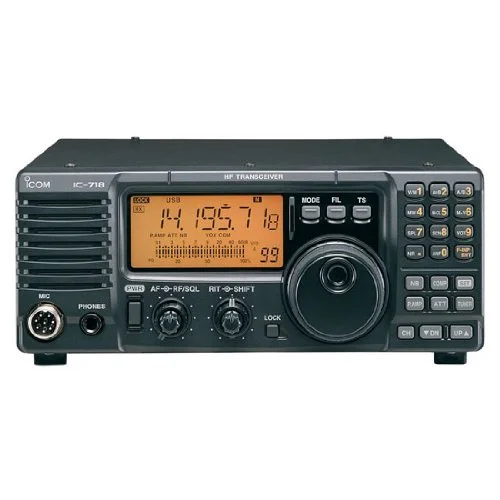
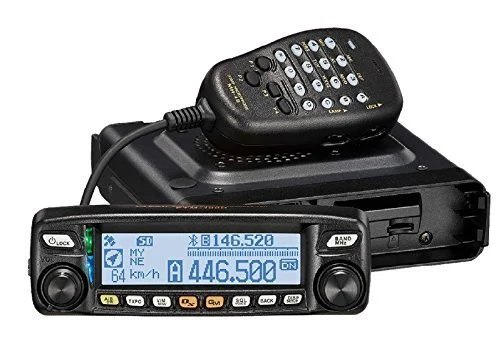
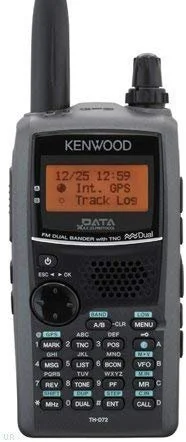
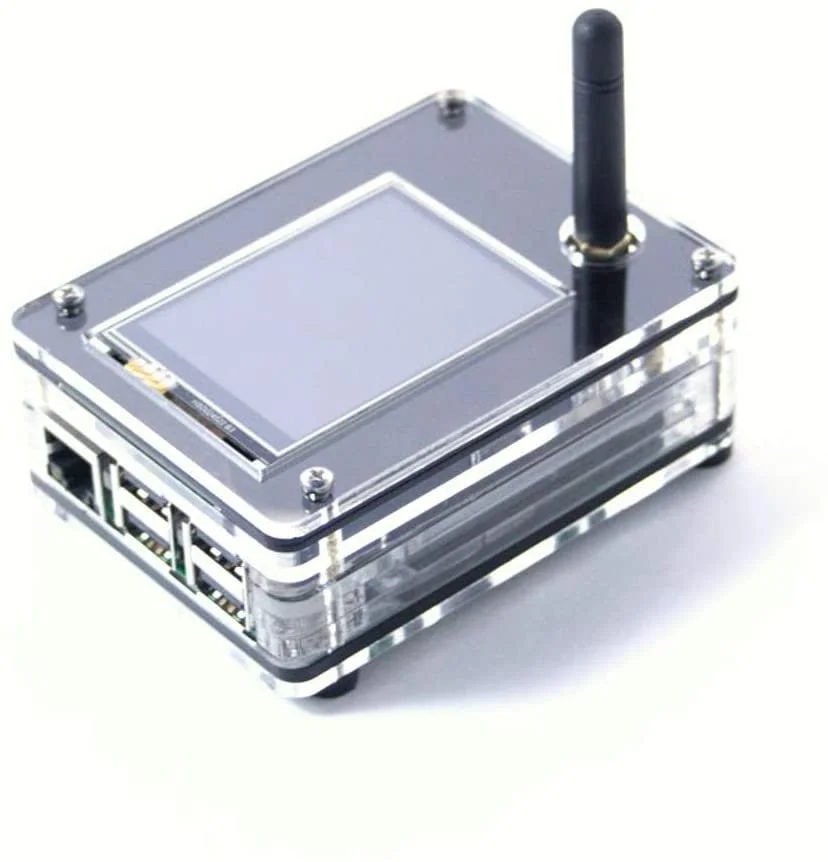
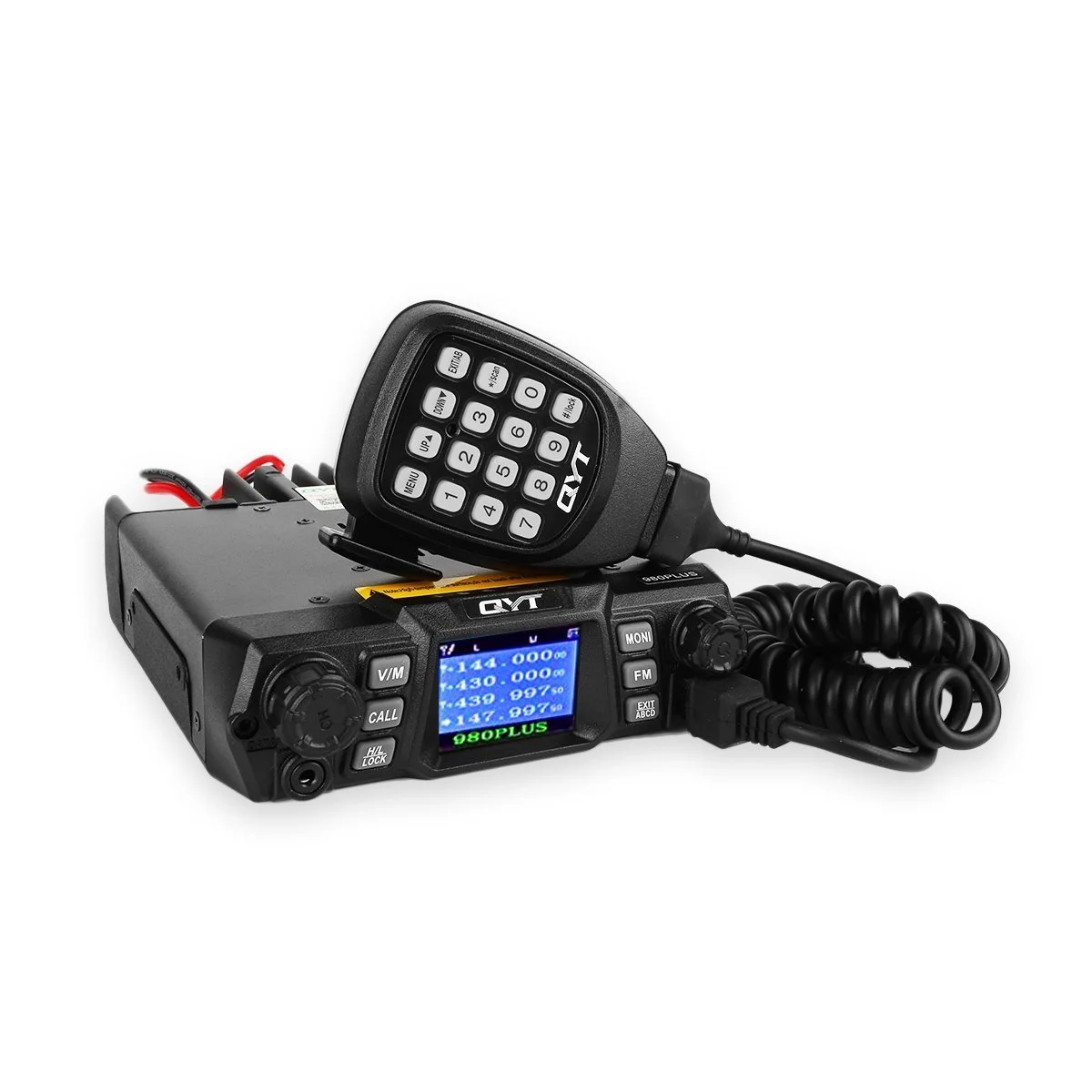
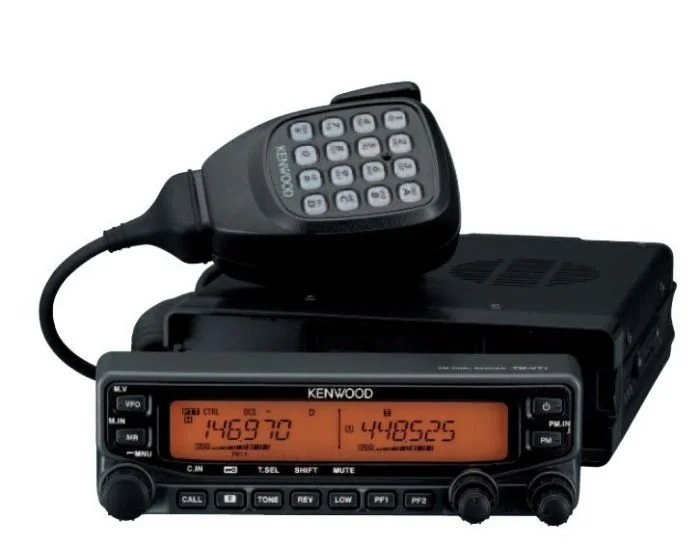
Unlock the power of precision with the 160M–70CM Frequency Chart — the essential reference for serious radio operators, field technicians, and communications planners who demand accuracy, clarity, and reliability.
Why this chart belongs in your kit
Comprehensive coverage: Detailed frequency listings spanning 160 meters through 70 centimeters, including amateur, emergency, public safety, and commercial allocations. No more guessing — find the band plan and common use cases at a glance.
Clear, organized layout: Intuitive band-by-band presentation with color-coded segments, labeled sub-bands, and easy-to-read frequency ranges. Quickly locate narrowband channels, repeaters, beacons, and special event allocations without confusion.
Operational intelligence: Includes typical emission types, common bandwidths, and recommended channel spacing, enabling efficient equipment setup and optimal receiver/transmitter configuration for reliable comms.
Regulatory alignment: Charted to reflect current U.S. allocation practices and widely accepted international conventions where applicable, so you stay within expected operating norms and minimize interference risk.
Field-ready formats: Available as a laminated quick-reference card for on-the-go use, a printable large-format poster for your shop or shack, and a high-resolution digital file for integration into software and mobile devices.
Scalable detail levels: Choose the concise quick-chart for rapid use or the expanded edition that includes frequency examples, common repeater offsets, and notes on propagation characteristics for each band.
Designed for usability: High-contrast typography, logical grouping, and succinct annotation make this chart ideal for dimly lit field conditions, rapid deployment, and cross-training teams.
Practical benefits that boost performance
Faster decision-making during operations and emergencies — reduce search time for appropriate frequencies.
Improved interoperability — standardize frequency planning across teams and equipment.
Reduced interference and misoperation — operate confidently within intended allocations and modes.
Better training outcomes — an accessible visual tool for onboarding new operators and reinforcing best practices.
Who gains the most
Amateur radio operators wanting a single authoritative resource across HF and UHF bands.
Public service organizations and volunteer communications teams needing reliable reference material for drills and real incidents.
Field technicians and system integrators who require quick, accurate frequency data for installation and troubleshooting.
Emergency managers and communications coordinators standardizing plans across agencies.
Ordering options
Laminated pocket card — rugged, waterproof, fits in a radio bag.
24" x 36" print — shop or ops-room poster, high-visibility reference.
Digital bundle — high-resolution PDF plus editable spreadsheet for planning tools.
Elevate your communications readiness with the 160M–70CM Frequency Chart — the single, professional reference designed to streamline frequency selection, improve interoperability, and keep your operations precise. Request your preferred format and quantity to outfit your team today.
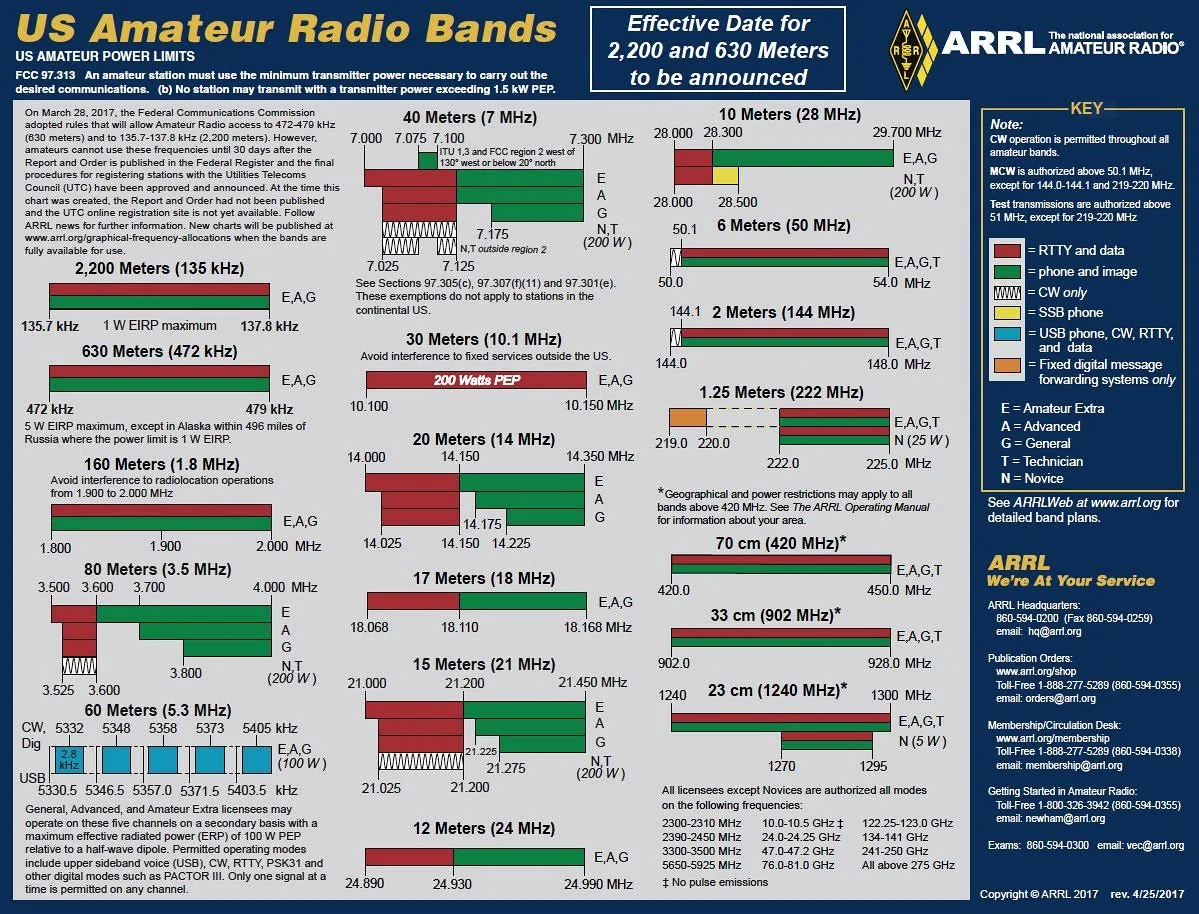
Looking to outfit your FCC Part 90 operations with reliable radio equipment at any price point? Whether you need cost-effective solutions for routine communications or premium systems for mission-critical coverage, we offer a curated selection of brands that deliver performance, compliance, and value.
Why choose from low- to high-price radio equipment brands for FCC Part 90?
Compliance first: Every radio is vetted for FCC Part 90 compatibility—frequency capability, authorized power levels, emission standards, and certification where required—so your installations meet regulatory expectations without surprises.
Right-fit purchasing: Match equipment to the mission. Budget handhelds and mobile units provide dependable basic voice communications for small fleets and facilities. Mid-range models add durability, encryption options, and expanded channel capacity for growing operations. High-end systems deliver advanced network interoperability, integrated data, GPS, and robust security for critical infrastructure, public safety, and enterprise fleets.
Total cost of ownership focus: Low-price radios reduce upfront capital outlay. Mid-tier options balance purchase price with features that reduce operational costs (programmable channels, battery life, modular accessories). Premium brands offer longevity, repairability, and advanced software that lower lifecycle expenses for long-term deployments.
Scalable ecosystems: Mix-and-match brands across price tiers without losing system integrity. From basic repeaters and portables to high-capacity trunking systems, select devices that integrate through standard protocols and shared accessories.
Support and warranty options: Lower-cost devices often include basic warranties and community support; mid- and high-tier brands provide extended warranties, certified repair centers, and advanced technical support to keep critical radios on-air.
Security and encryption: Choose radios that meet your security requirements. Entry-level models may offer basic scrambling; mid- and high-end radios provide AES encryption, secure key management, and compatibility with agency-standard cryptographic practices.
Feature differentiation by tier:
Low price: Compact portables, simple mobile units, straightforward programming, essential durability. Ideal for contractors, small businesses, and temporary operations.
Mid price: Enhanced durability, improved audio, greater channel capacity, GPS, optional digital modes, better battery performance. Suited for municipal services, utilities, and medium-sized fleets.
High price: Advanced digital trunking, P25 / NXDN / DMR options, multi-band capability, integrated LTE/VoIP bridging, high-power mobiles, enterprise-grade management software. Designed for public safety, large utilities, transportation, and mission-critical deployments.
How we help you choose:
Needs assessment: We evaluate range, user count, environment (urban, rural, underground), interoperability requirements, and budget constraints.
Brand matching: We recommend specific brands and models across price tiers that meet your Part 90 needs—prioritizing certification, reliability, and long-term availability.
Solution design: From single-site systems to multi-site trunking and hybrid radio/LTE integrations, we design configurations that scale and remain compliant.
Procurement and deployment: We simplify purchasing, handle licensing considerations, coordinate programming, and provide training and maintenance plans.
Invest smartly—get compliant, dependable radio communications without overpaying for unneeded features or underserving mission requirements. Tell us your operational needs and budget range, and we’ll propose a tailored lineup from low-price to high-price brands that meets FCC Part 90 requirements and keeps your teams connected.
Amateur (Ham) Radio Brand Name Ideas
Apex Amateur Radios
BeaconWave Communications
CallSign Craftworks
Comet Hill Radio
DeltaTone Electronics
DynaCQ Radios
EchoLink Systems
FieldSignal Labs
HighBand Dynamics
Horizon Hamworks
IonWave Instruments
KiloComms Technologies
MeteorNet Radio
NorthStar Transceivers
OmniCQ Solutions
PeakPower Radios
Propagate Pro
Quantum QSO
Radiant Relay
ReconWave Electronics
Riverbend Radios
SkyPath Communications
SignalForge Systems
Suncrest Hamworks
Transmitel Labs
TrueTone Transceivers
Vantage VHF/UHF
VectorWave Radio Co.
VintageVox Hamgear
Zenith Z-Transceivers
GMRS Radio Brand Name Ideas
Atlas GMRS
ClearLine Comms
CommTrail GMRS
ConnectPro Radios
CrossBand GMRS
EverReach Communications
FieldLink GMRS
FrontRunner Radios
Guardian GMRS Systems
GoWave Radio Co.
HaloTalk Electronics
LinkPoint GMRS
LocalLoop Radios
MaxRange Communications
MissionTalk GMRS
NextPath Radios
Parkside GMRS
PathFinder Comms
ProximityPlus Radios
RangerNet Communications
ReachOut GMRS
RelayWave Systems
RidgeTalk Radios
RouteComm GMRS
SecureTalk GMRS
SignalWay Radios
SpotLink Communications
Summit GMRS
TrailComm Radios
UrbanReach GMRS
Combined/Neutral Brand Name Ideas (usable for both Ham & GMRS)
AlphaWave Communications
BoltComm Technologies
Cadence Radioworks
ChannelCraft Electronics
CoreLink Communications
CrossWave Labs
EchoTrail Technologies
Element Radio Co.
FieldWorks Communications
FusionCom Radio
Gridline Radio Systems
Helix Radioworks
Keystone Communications
Lumen Radio Co.
Meridian Radioworks
NexusWave Electronics
Pioneer Portable Radios
PulsePoint Communications
RelayCraft Systems
Sentinel Radioworks
SignalPoint Technologies
Skyline Communications
Streamline Radio Co.
TerraWave Solutions
Towerline Technologies
Unity Radio Labs
Vanguard Radio Systems
Wavefront Comms
Wildfire Radioworks
ZenithWave Communications
Naming notes
For ham-focused brands, consider names that evoke heritage (CallSign, Beacon, Vintage), technical performance (Peak, Quantum, Vector), or community (CQ, QSO).
For GMRS-focused brands, emphasize ease of use, range, reliability, and outdoor/consumer contexts (Reach, Ranger, Trail, Parkside).
Combined names should balance professional/technical cues with accessible, consumer-friendly language.
Check trademark availability and domain names before finalizing any brand name.
Licensed radio operations are essential in ham and GMRS communications and weather spotting because they ensure operator competency, spectrum coordination, and public safety. Licensing requires knowledge of technical fundamentals, proper operating procedures, and regulatory rules, which reduces interference and enhances reliable communications during routine use and emergencies. Trained, licensed operators can effectively coordinate with emergency management, spotters networks, and other agencies, providing accurate, timely weather reports and relay of critical information. Licensing also enforces accountability and call-sign identification, aiding in incident tracking and law enforcement if needed, while promoting responsible use of limited radio spectrum so critical channels remain clear for storm response and life-saving communications.
To ask correctly about a transmitter’s coverage or range, use clear, professional phrasing and include the parameters that affect reach. Recommended ways to ask: “What is the effective range of this transmitter under typical operating conditions?” “How far will this transmitter reliably transmit a signal, and under what conditions?” “What is the expected coverage area for this transmitter at X watts, using Y antenna, and at Z frequency?” “Can you provide the maximum line-of-sight range and practical range (accounting for terrain and obstructions)?” When requesting a range estimate, specify key variables: output power (watts), antenna type and gain, antenna height, frequency band, receiver sensitivity, terrain and obstructions, and whether you mean line-of-sight, reliable two-way communication, or occasional reception. Being precise about these factors yields more useful, realistic answers and avoids vague or misleading distance figures.
Q codes are standardized three-letter abbreviations used in radio communications (especially amateur/ham radio) to convey common messages quickly. Common ones you asked about:
QRT — Stop sending; cease transmission; go off the air.
QSL — I acknowledge receipt; confirmation of receipt (also used to mean a confirmation card between operators).
QRM — Man-made interference or intentional interference from other stations; “I’m experiencing interference.”
QSY — Change frequency; move to another frequency or channel.
Context notes:
These codes can be used as questions or statements depending on punctuation. For example, “QRT?” asks “Are you going to stop transmitting?” while “QRT” states “I am stopping transmission.”
Usage varies slightly by service and region; in ham radio QSL also commonly refers to exchanging confirmation cards for contacts.
Red Dot 151.625
Purple Dot 151.955
Blue Dot 154.570
Green Dot 154.600
White Dot 462.575
Black Dot 462.625
Orange Dot 462.675
Brown Dot 464.500
Yellow Dot 464.550
J Star 467.7625
K Star 467.8125
Silver Star 467.850
Gold Star 467.875
Red Star 467.900
Blue Star 467.925
Dose Dot and Star Frequencies: How License Requirements
Introducing Dose Dot and Star Frequencies — precision-engineered solutions for professionals who demand reliable, compliant spectrum access. Whether you’re deploying critical communications for public safety, expanding commercial IoT networks, or launching an experimental radio system, Dose Dot and Star Frequencies make achieving regulatory compliance simple, efficient, and cost-effective.
Why Dose Dot and Star Frequencies?
Regulatory clarity built in: Each product is designed around current FCC (and applicable international) licensing frameworks. Specifications, frequency plans, and operational modes align with license classes, minimizing guesswork and reducing the risk of noncompliance.
Streamlined licensing pathway: We provide detailed, license-ready documentation and templates for common authorization types—site-based, nationwide, experimental, and secondary market leases—allowing faster filings and fewer RFIs.
Frequency coordination expertise: Leveraging industry-grade coordination tools and seasoned spectrum engineers, Dose Dot and Star Frequencies offer proactive interference analysis and mitigation strategies. This reduces coordination timelines with incumbent users and accelerates grant approvals.
Scalable solutions for any authorization: From single-site builds to multi-state rollouts, our products support flexible frequency allocations and power settings to satisfy various licensing conditions, including protected contours, emission limits, and shared-use arrangements.
Compliance-first hardware and software: Radios are pre-configured with locked parameter sets and logging features that enforce authorized frequencies, EIRP limits, and dwell times. Audit-ready logs and geofencing capabilities simplify audits and help you demonstrate adherence to license terms.
Risk reduction and cost control: By aligning product design to licensing requirements, we reduce the need for expensive engineering revisions and enforcement penalties. Faster approvals also mean earlier deployment and revenue capture.
Target Customers and Use Cases
Public safety & emergency services: Rapidly deploy interoperable, license-compliant links with minimal agency legal overhead.
Enterprise and utilities: Build private networks that meet licensing and interference protections for critical operations.
Telecommunications providers: Expand capacity through coordinated spectrum use and secondary market access.
Research institutions and manufacturers: Obtain experimental authorizations with thorough test plans and interference safeguards.
How Licensing Works with Dose Dot and Star Frequencies
Assessment: We evaluate your operational needs, coverage targets, and regulatory environment.
Plan: Our engineers propose frequency bands, power settings, and spectrum-sharing approaches that match applicable authorization types.
Documentation: Receive completed technical exhibits, environmental assessments, and programmatic operation descriptions tailored for filing.
Coordination & Filing Support: We conduct preliminary interference checks and guide you through filings or provide turn-key filing services.
Post-Grant Compliance: Ongoing monitoring, device locks, and audit support help maintain compliance throughout deployment.
Why Choose Us
Proven regulatory experience: Deep knowledge of license structures and practical experience securing approvals across multiple bands.
Faster time-to-deploy: Pre-integrated compliance features and filing-ready packages compress approval timelines.
Lower compliance risk: Built-in safeguards and expert coordination reduce the chance of enforcement actions or operational disruption.
Cost efficiency: Minimized engineering rework and expedited permits lower overall project costs.
Take the Next Step
Partner with Dose Dot and Star Frequencies to deploy radio systems that meet performance goals without regulatory uncertainty. Contact our licensing team for a tailored assessment and see how our compliance-driven approach speeds approvals, reduces risk, and protects your radio operations.